Roland
Surlis
Biomedical engineer and PhD researcher developing low-cost 3D imaging, digital image correlation, and 3D-printed prosthetic socket design methods for clinically relevant biomechanics.
About
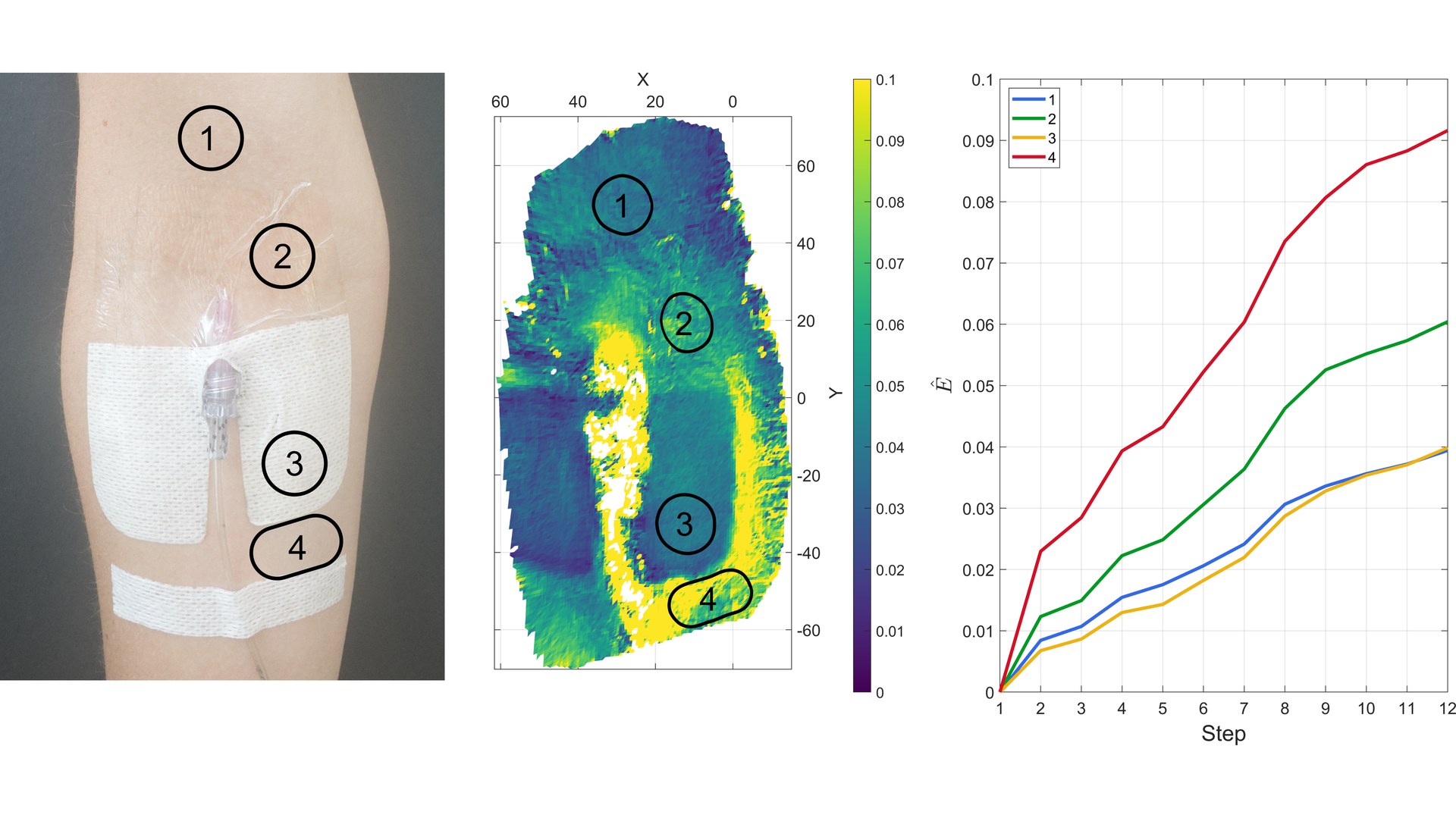
I'm a PhD candidate in Biomedical Engineering at the University of Galway. My research focuses on 3D digital image correlation, biomechanics, and medical device engineering, with applications in prosthetics, soft tissue mechanics, and skin-device interaction.
My work combines experimental mechanics, imaging system design, and computational analysis to develop low-cost, open source tools for full-field biomechanical measurement. I design and build custom multi-camera imaging systems, develop 3D reconstruction workflows, and apply these methods to clinically relevant problems.
Current projects include high-resolution 3D skin strain imaging, prosthetic socket design, and multi-camera motion capture systems using Raspberry Pi hardware and open source software. I'm particularly interested in translating engineering research into practical tools for healthcare and rehabilitation applications.
University of Galway, Ireland
Research
Projects
Beyond the Lab
CV
Connect.
Always happy to chat about research ideas, collaborations, or just interesting problems. Drop me an email or find me on the platforms below.
Cyclops²
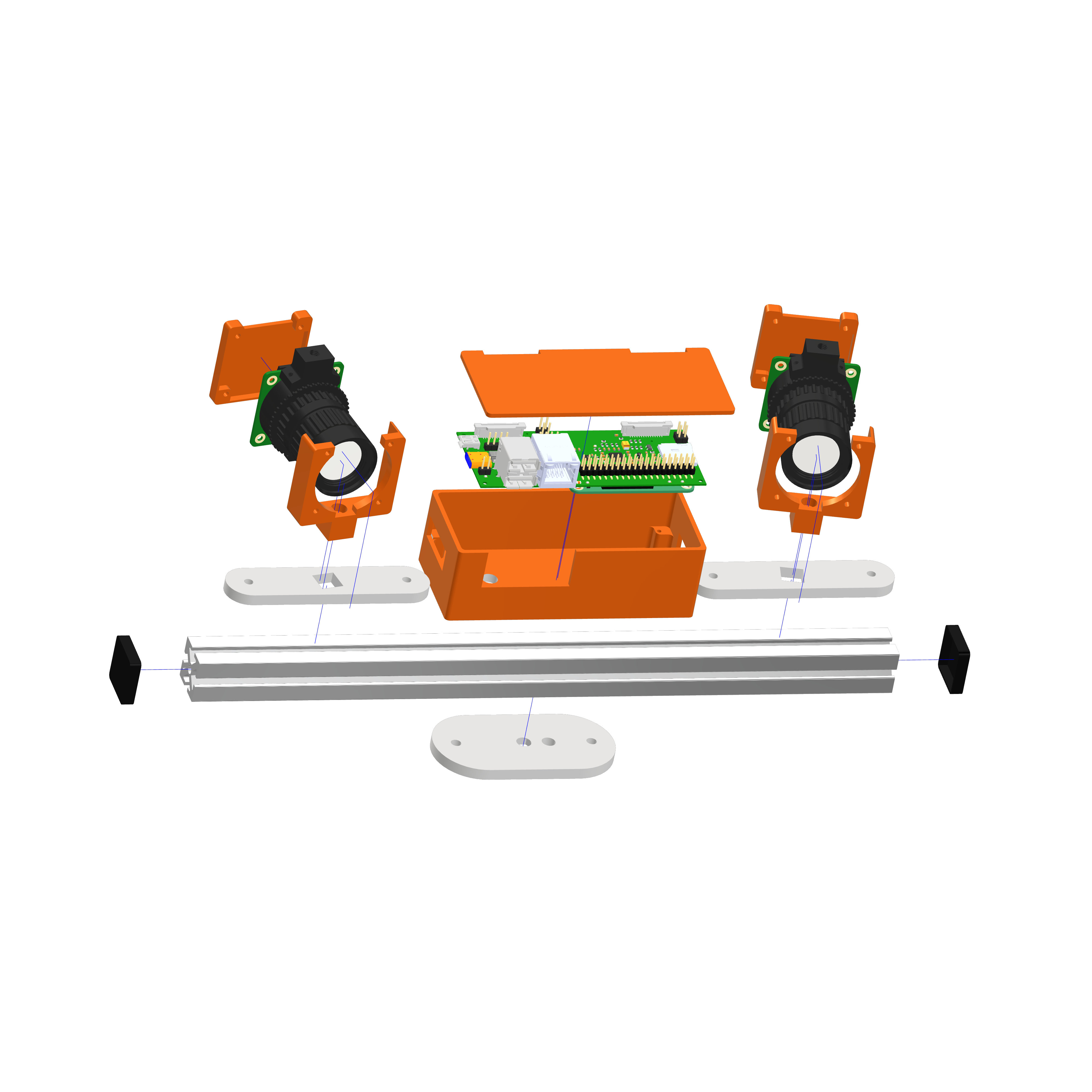
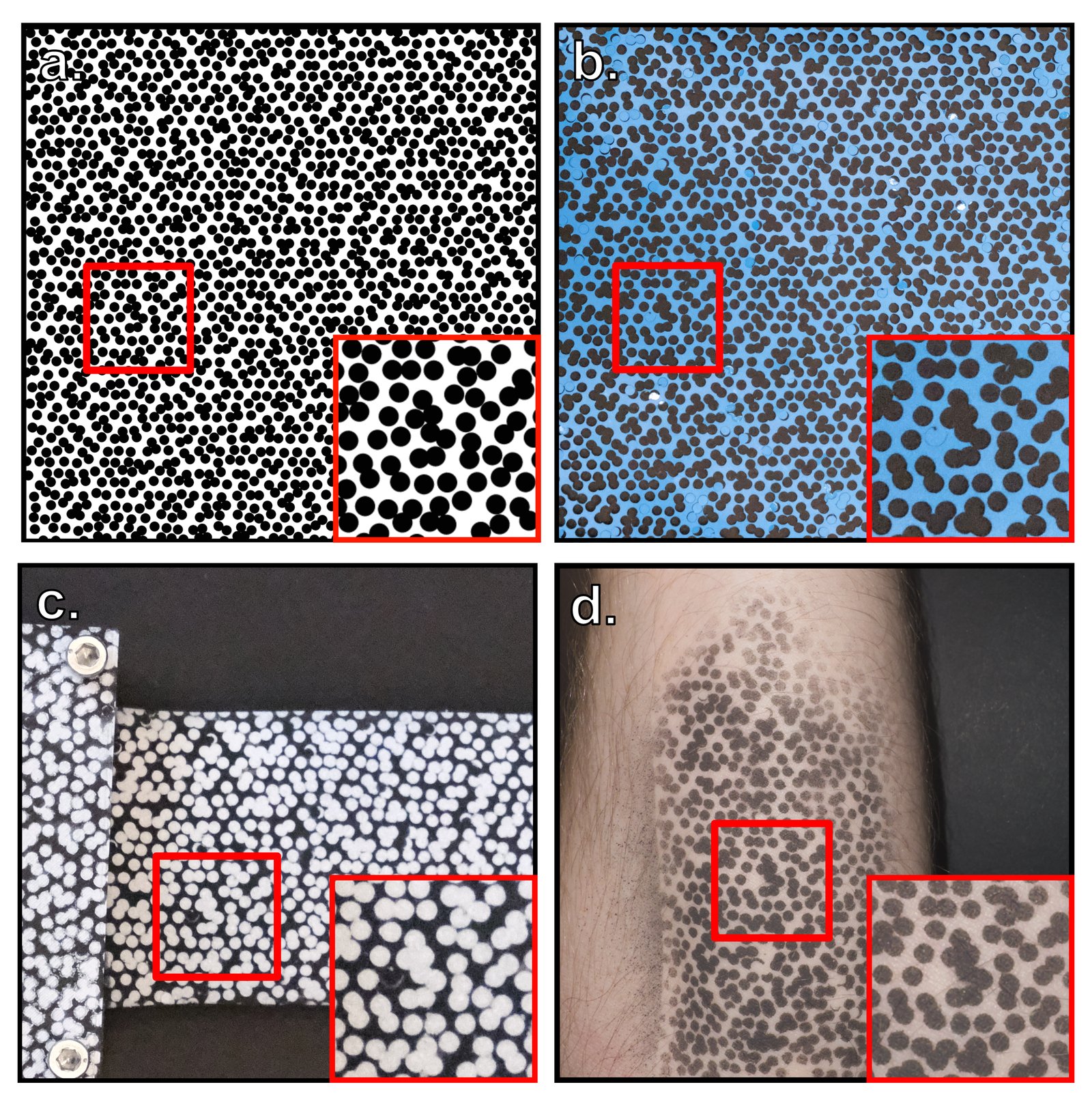
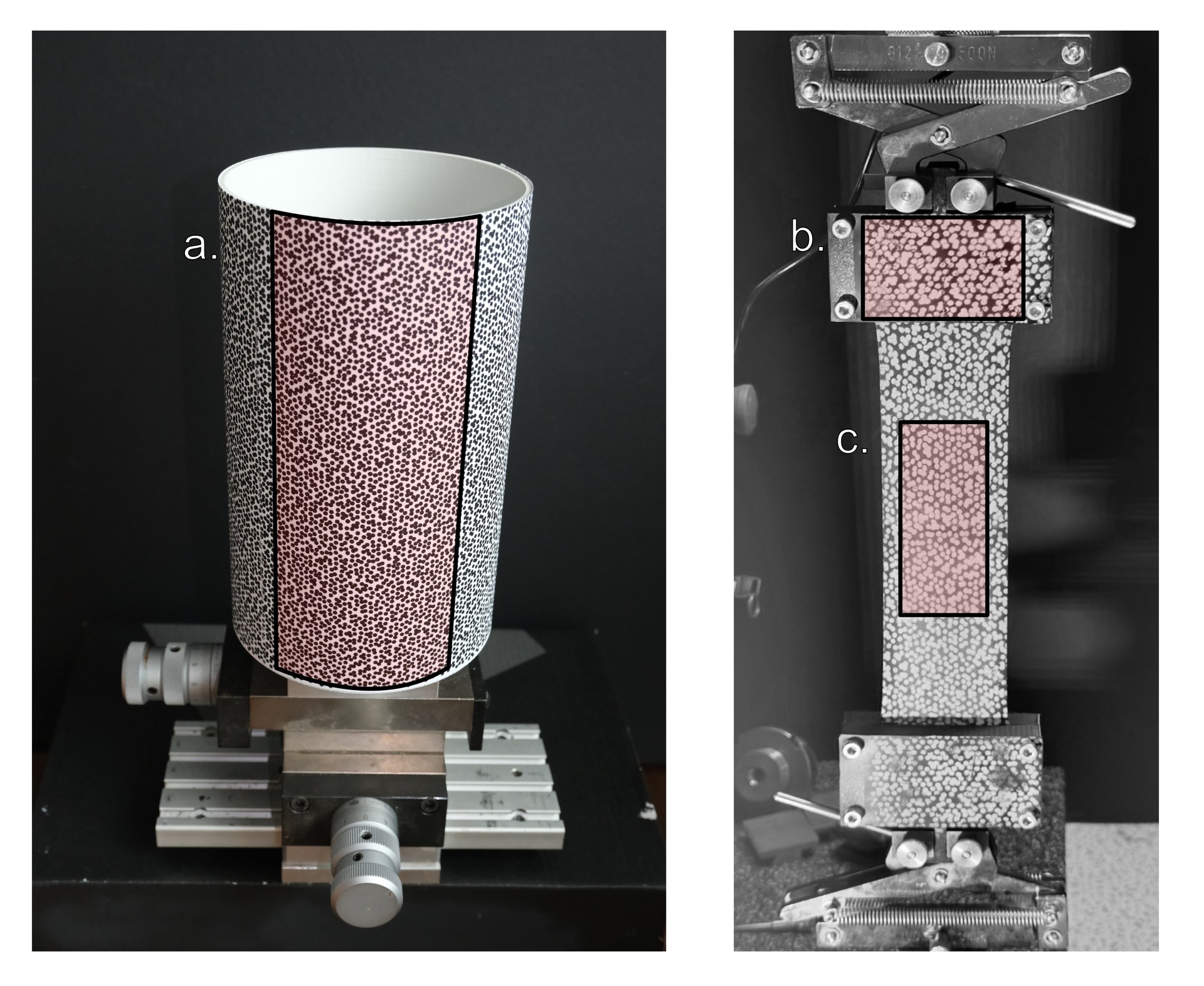
Cyclops² is an open source, dual-camera 3D Digital Image Correlation (DIC) system built around high-quality Raspberry Pi cameras. It provides a low-cost, reproducible platform for full-field surface strain and deformation measurement.
The system was designed to make 3D DIC accessible outside expensive commercial setups — enabling biomechanics labs, universities, and makers to capture accurate in-vivo surface deformation data with readily available hardware.
Panoptes — Multi-Camera 3D DIC System
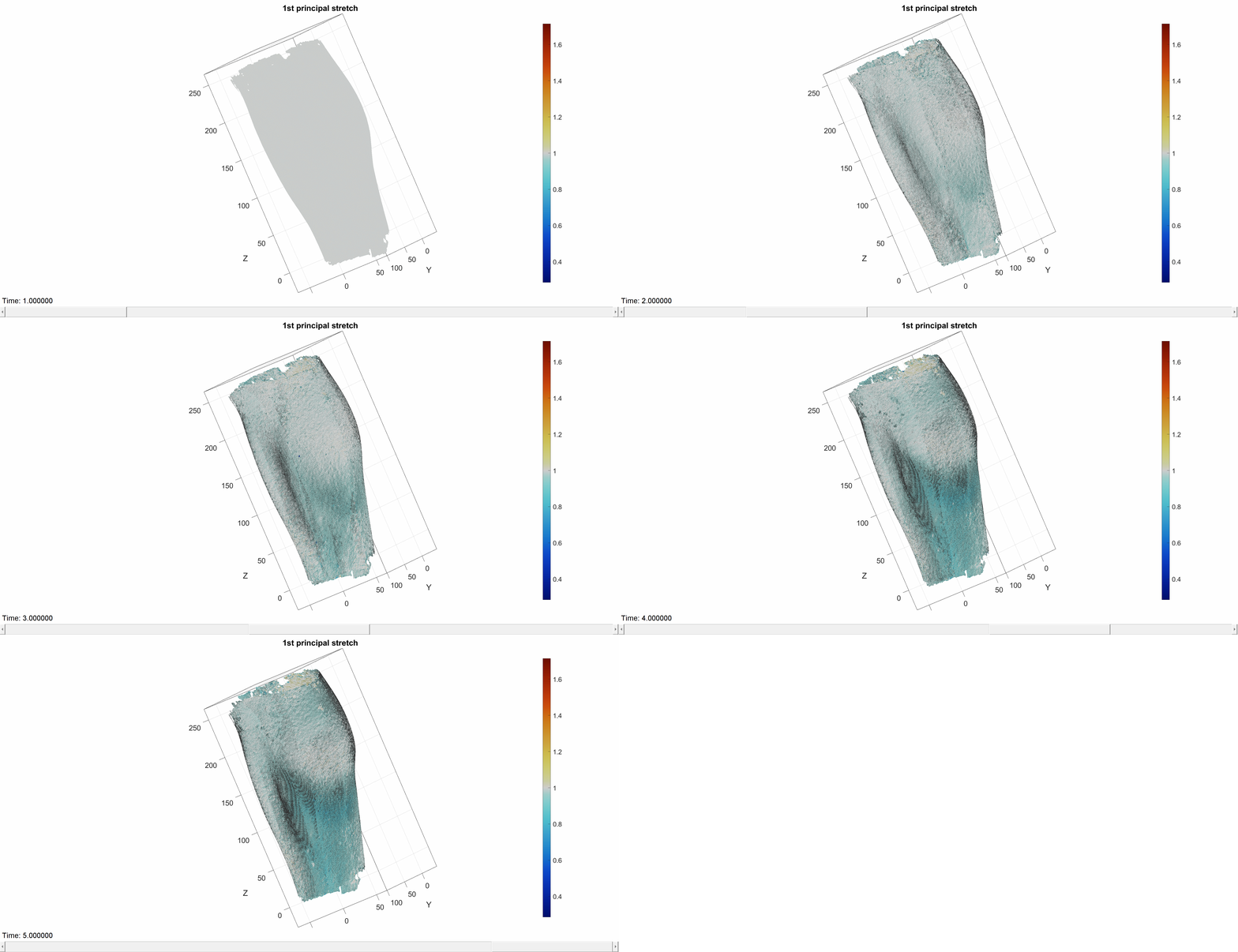
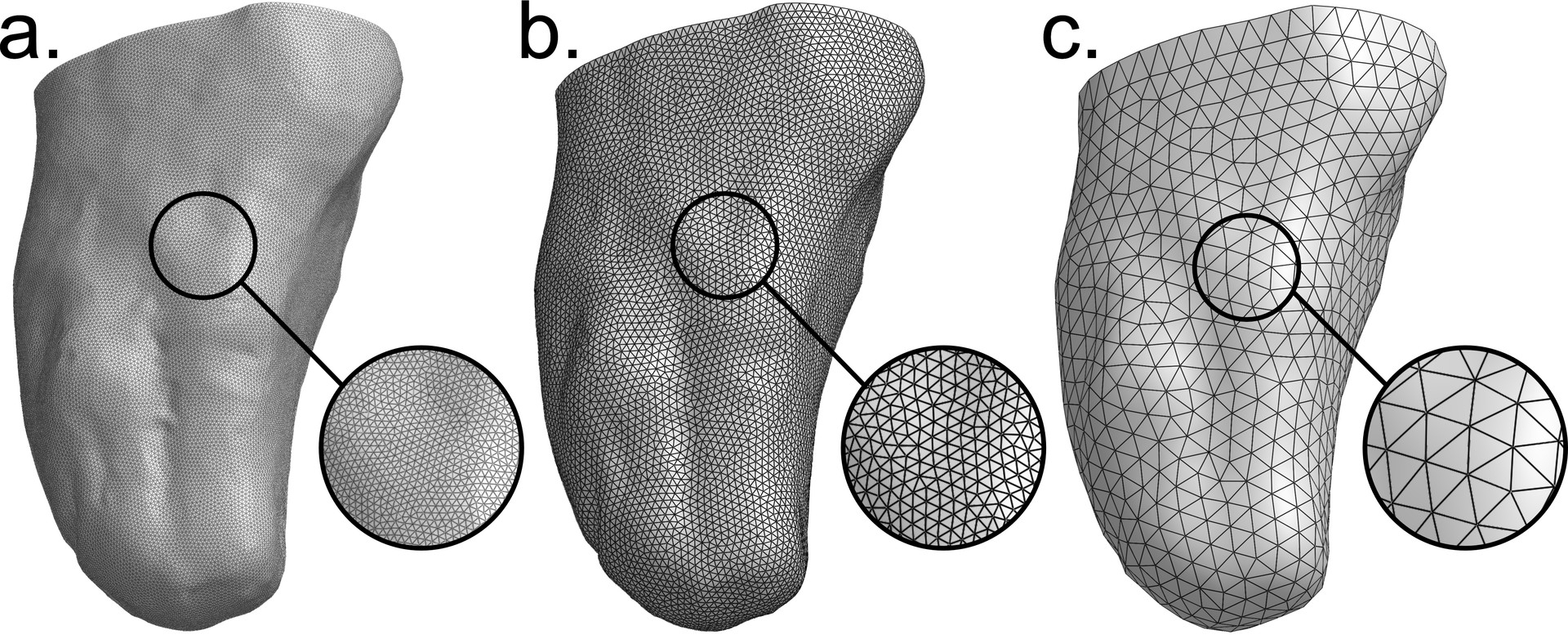
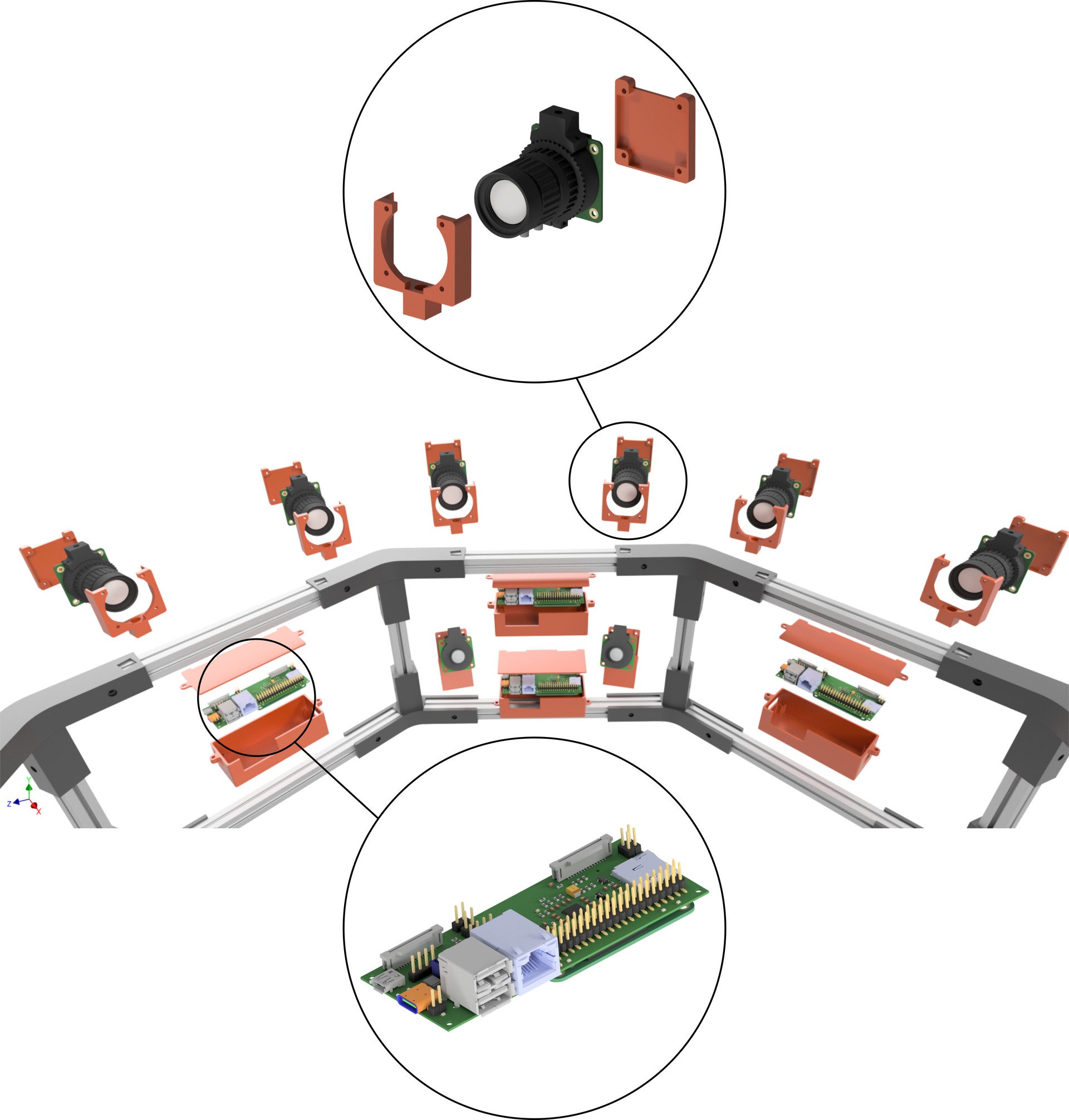
Panoptes (named after the all-seeing giant Argus Panoptes of Greek mythology) extends the Cyclops² approach to a multi-camera configuration. By adding more viewpoints, Panoptes captures complex curved surfaces and provides higher spatial coverage than a two-camera setup.
The system uses synchronised Raspberry Pi camera modules and a bespoke calibration pipeline to reconstruct full 3D surface deformation across larger regions — particularly useful for in-vivo soft tissue and skin mechanics.
Flux — Arduino USB MIDI Controller
Flux is a custom USB MIDI controller built around the Arduino Due, which presents itself to a host computer as a native USB MIDI device — no drivers required.
The controller features 16 arcade buttons for triggering samples and clips, 4 linear faders and 4 rotary potentiometers for continuous control, and an IR distance sensor mapped to any MIDI CC for hands-free expressive performance. The enclosure is fully 3D printed.